OTO ANTHRO HOME EAR CARE DEPARTMENT
CATALOG No. 1 · FIRST EDITION

DEPT. F — THE FILE ROOM
carried up from the basement at last; handle prints by the edges
THE PLATE BOOK
THE PHOTOGRAPHIC RECORD
The Way Ears Were.
A short history of the American ear: tested at school, filled at the pool, seen to at the drug store, examined wherever a doctor could find a chair. These photographs predate the Department, which merely agrees with them.
FIFTEEN PLATES ON FILE · MORE AS THEY ARE FOUND
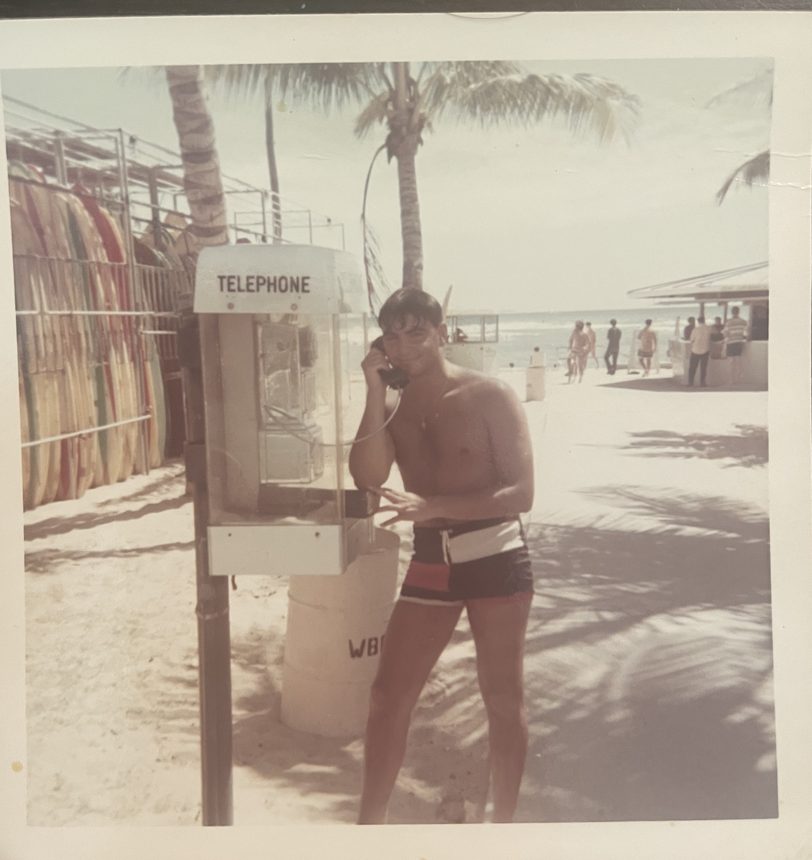
Scanned from the print itself — fading, corner knocks and all.
DATES APPROXIMATE, EARS AUTHENTIC
FROM PUBLIC COLLECTIONS
The General Plate Book.
A short history of the American ear, assembled from public collections: tested at school, filled at the pool, seen to at the drug store, examined wherever a doctor could find a chair.
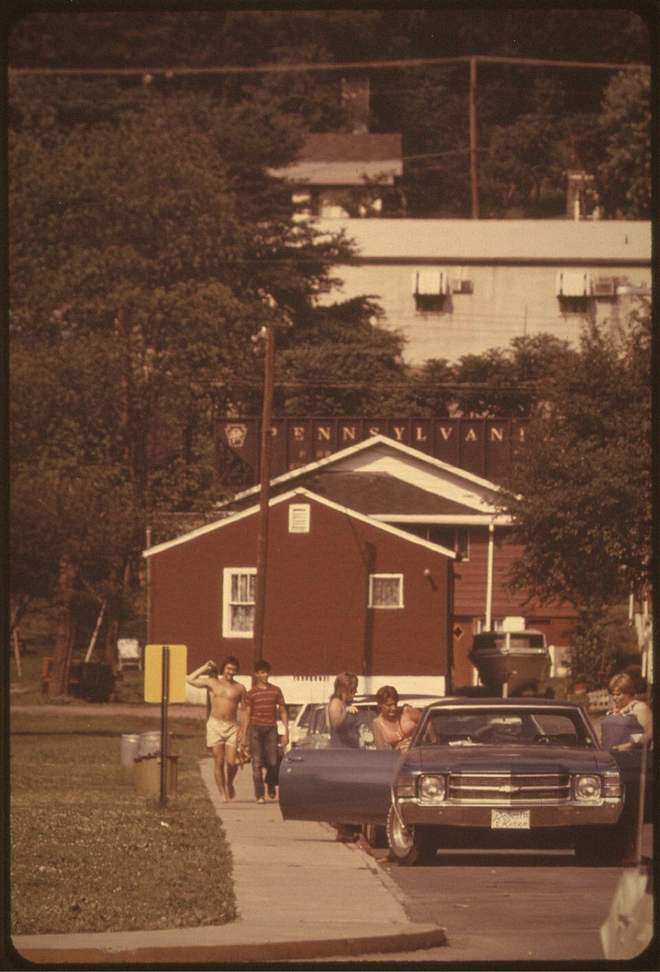
EXHIBIT P–1. Off for a day’s outing at the swimming pool, West Virginia. Towels: packed. Drying of the ears: pending.
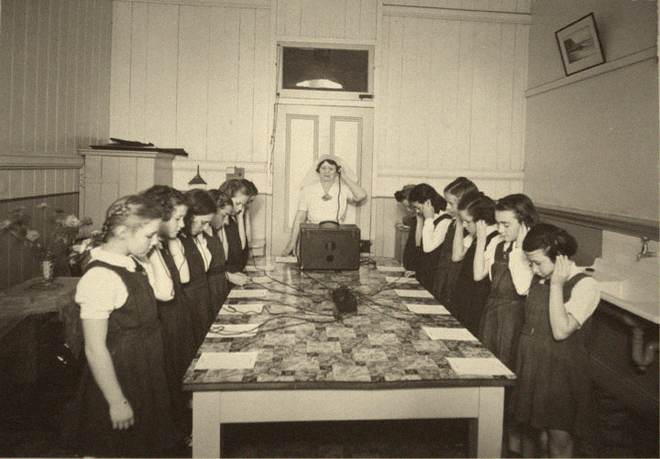
EXHIBIT P–2. The school hearing test. Every ear passed, or was politely retested.
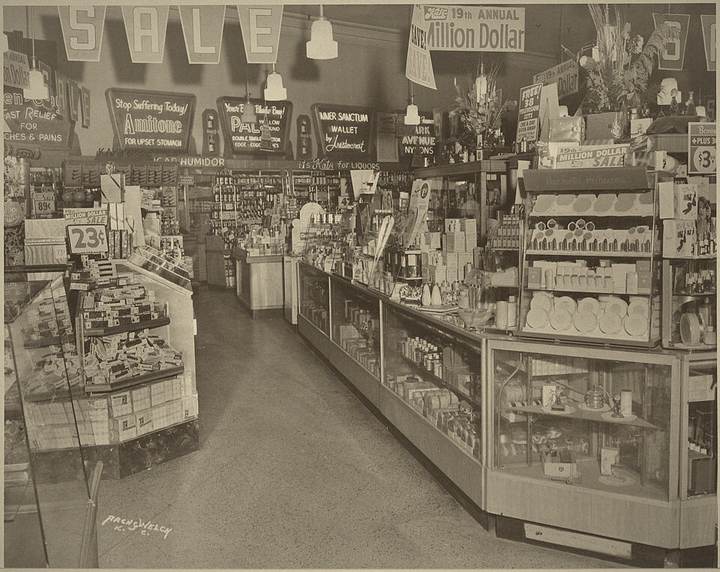
EXHIBIT P–3. The drug store, Kansas City. Ear care once required an usher.
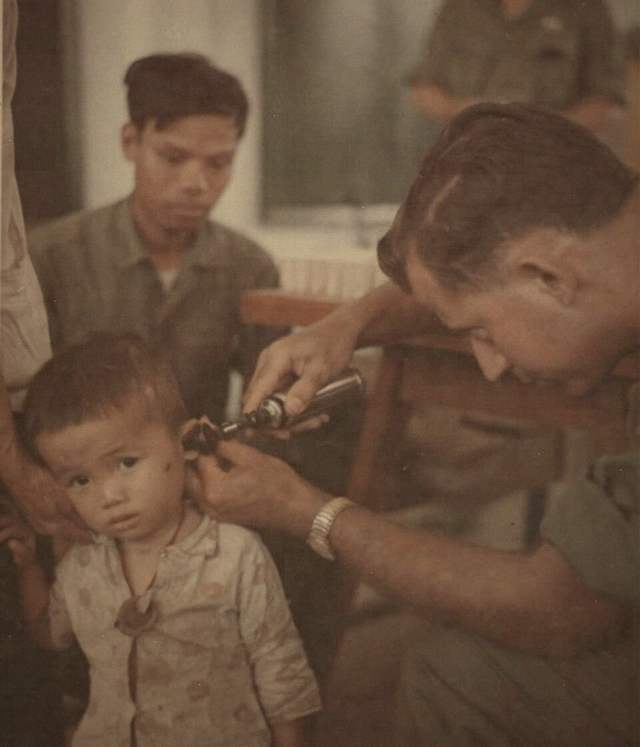
EXHIBIT P–4. A field ear examination. The otoscope travels well, and always has.
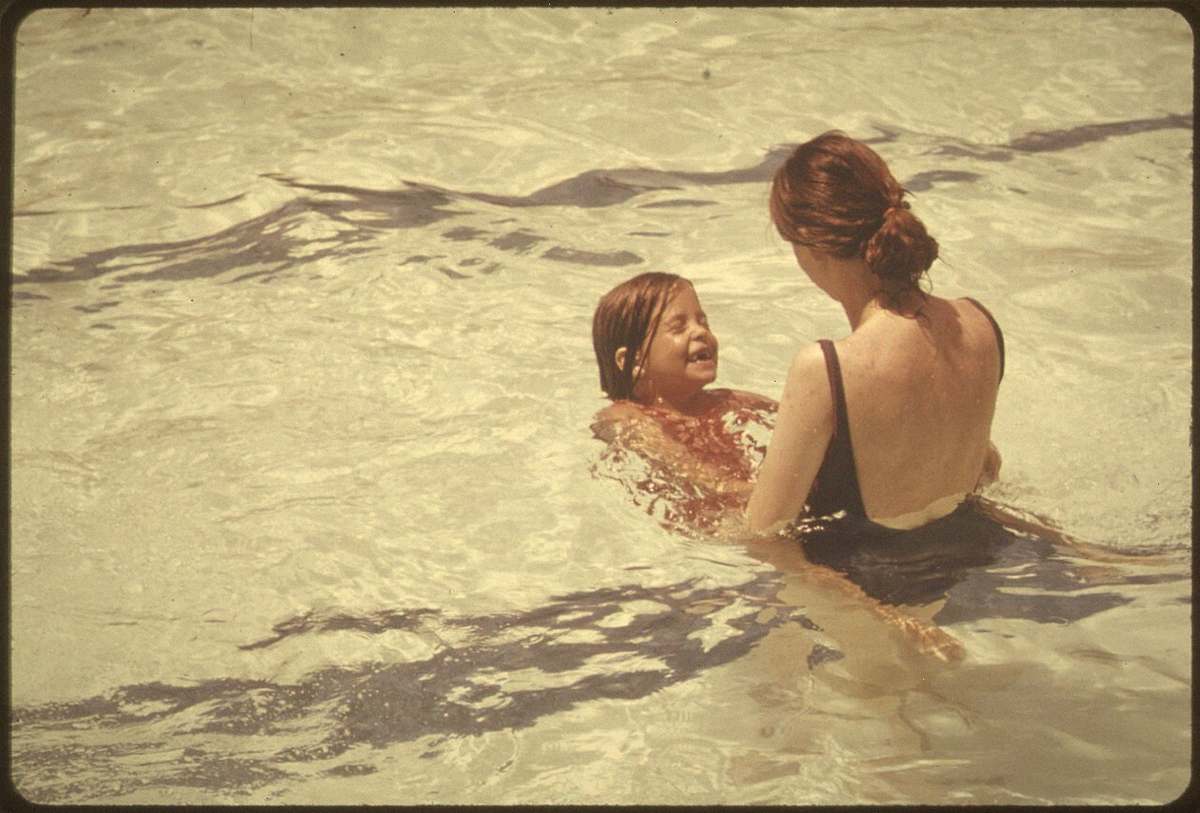
EXHIBIT P–5. A poolside secret, heard on the first telling. Public pool, District of Columbia. Clear ears make good listeners.
SPECIAL FILE — DEPT. F
eight plates, one decade, and a nickname nobody has ever explained
FILE No. T
A FILE OF HIS OWN
Tony Bag o’ Donuts.
There are decades a family does not measure in years. It measures them in one man — the one who turns up in most of the photographs: at the beach, at the work site, behind the wheel, and one afternoon somewhere up the side of the Statue of Liberty. The Department’s usual business is ears. It makes an exception here, and files the file in full — the record of a man who showed up, took the heavy end, and left the world in better condition than he found it. Reproduced with affection and without correction. Kept indefinitely.
EXHIBIT T–1. The beach, the booth, and a call that would not wait. Salt water in both ears; the call went ahead regardless.
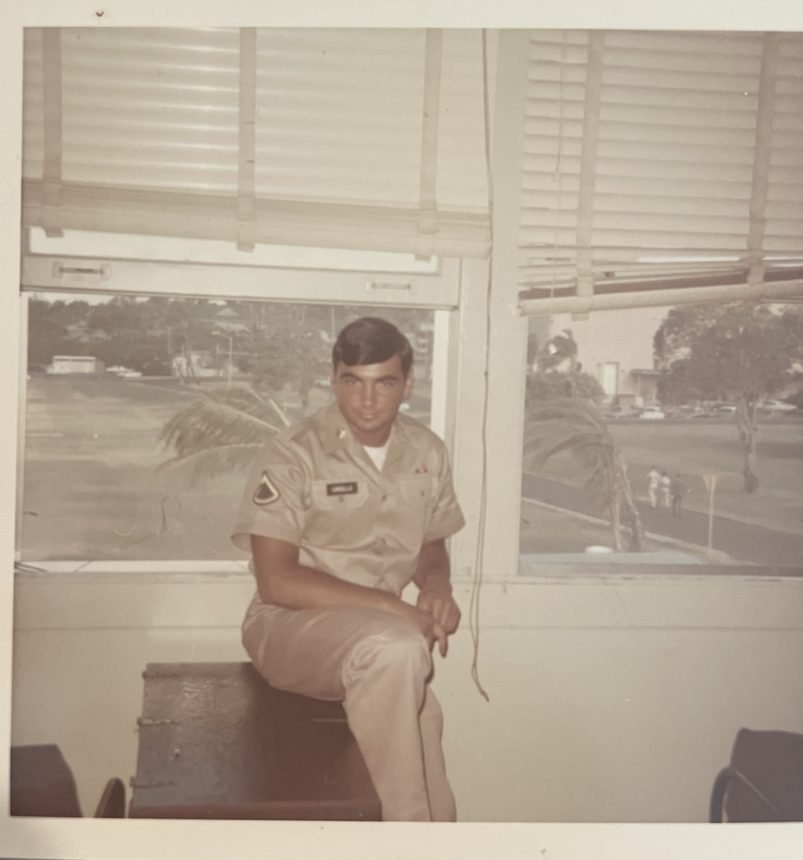
EXHIBIT T–2. Duty khakis, one stripe, and the expression of a man waiting for somebody to finish taking the picture.
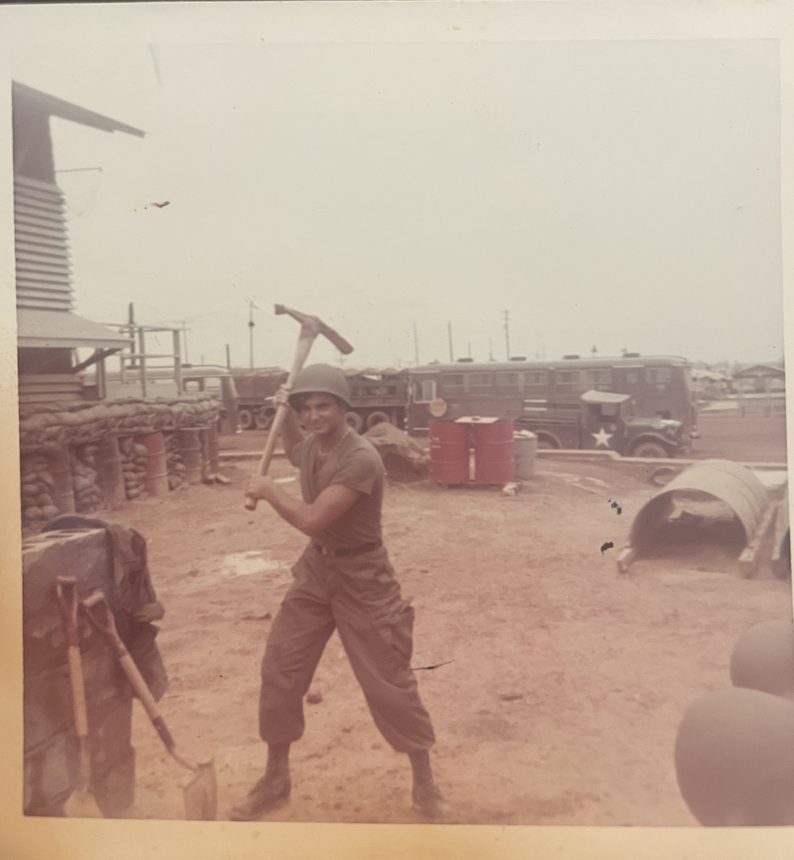
EXHIBIT T–3. The pickaxe, held in the manner of a man who has been told there is digging to do and would rather there were a pitch.
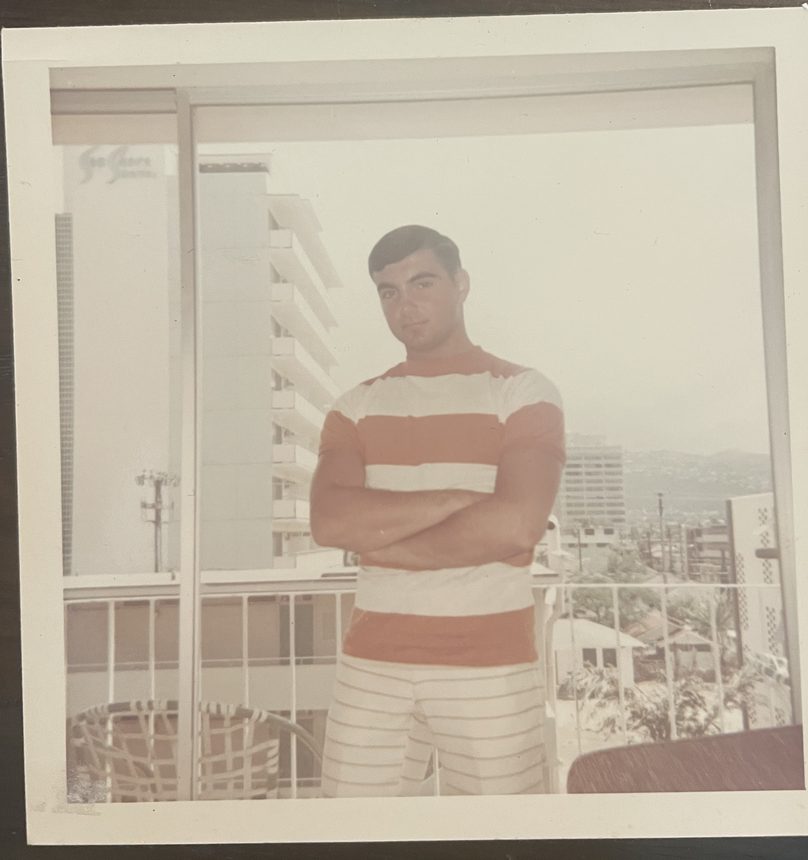
EXHIBIT T–4. Striped shirt, arms folded, the Pacific somewhere behind the photographer and firmly not the subject.
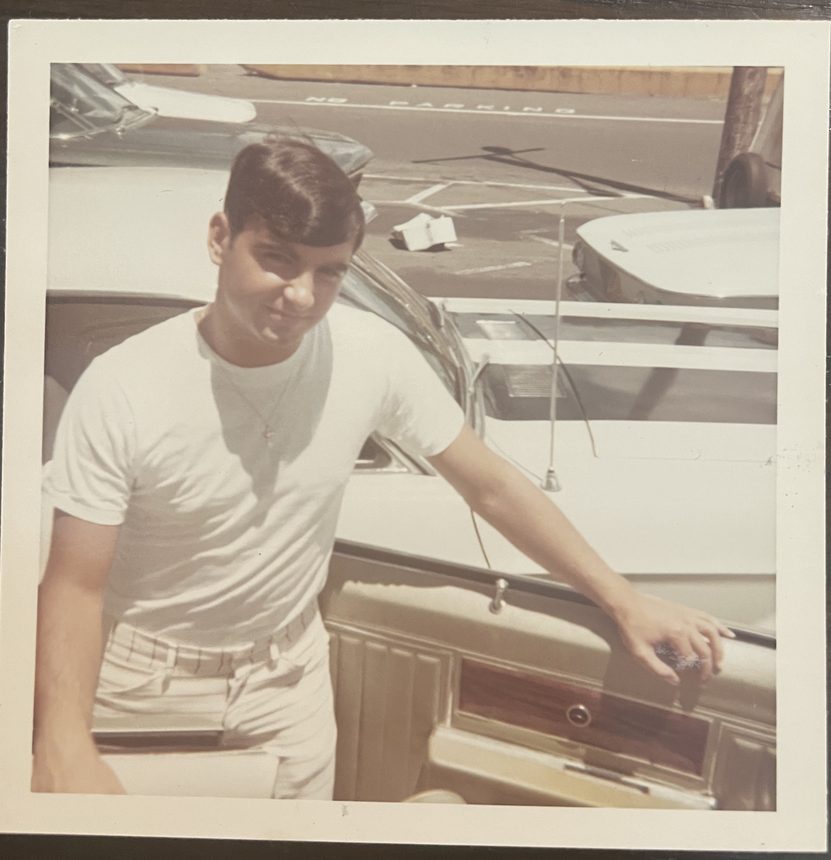
EXHIBIT T–5. Leaning on a fender directly beneath a NO PARKING sign. The car stayed. So did he.
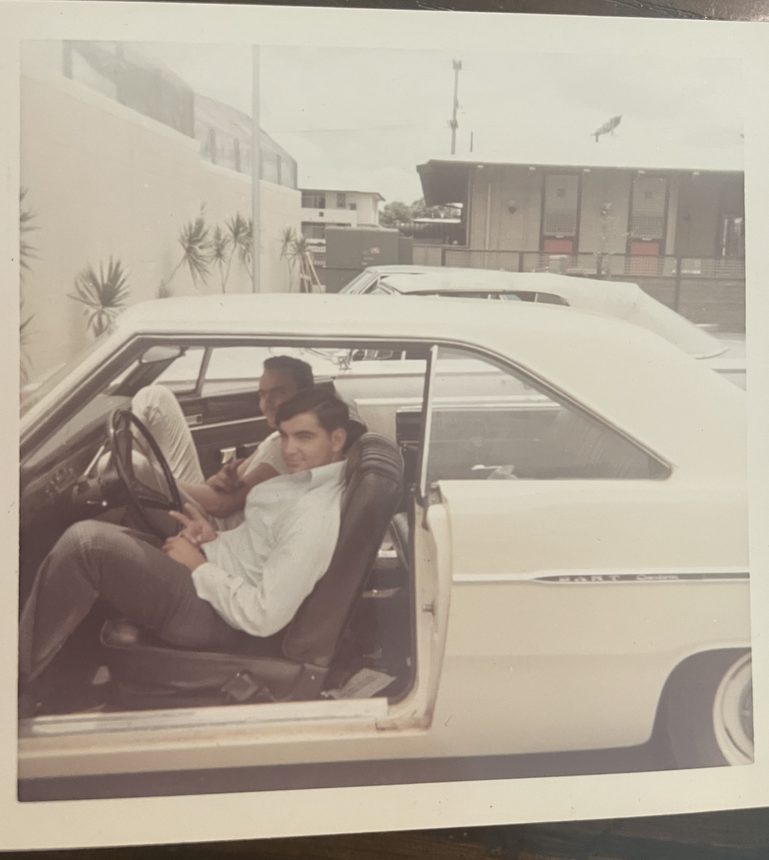
EXHIBIT T–6. Behind the wheel with the door open — the international signal for a conversation that is nearly over.
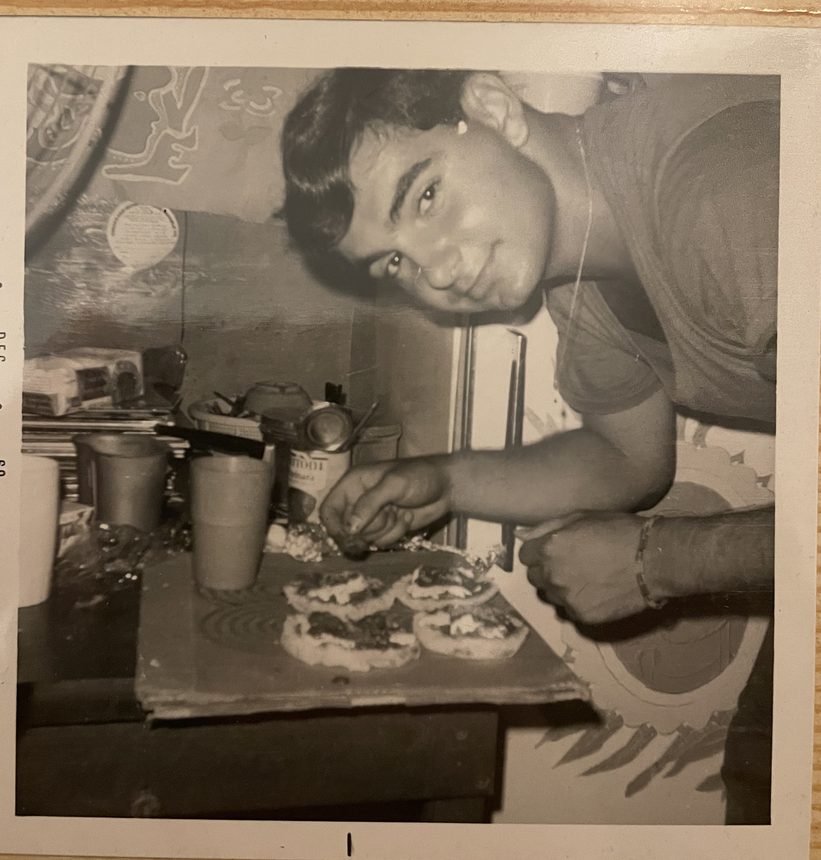
EXHIBIT T–7. December 1969. Four of something assembled on a cardboard round. The Department declines to call them pizzas and declines to say they are not.
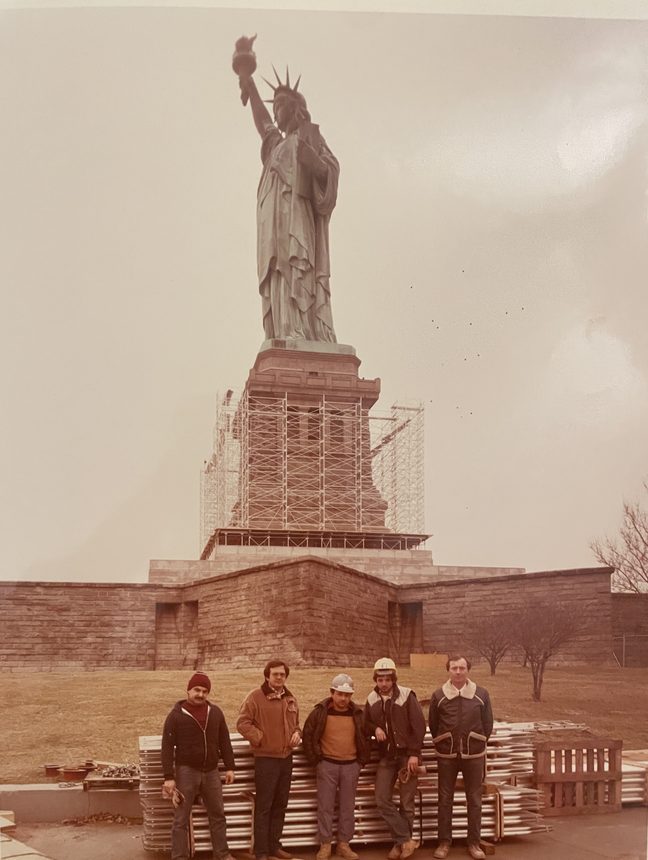
EXHIBIT T–8. Scaffolding up, torch down for repairs, five men and a stack of aluminum. Somebody had to hold her steady.
SPECIAL FILE — DEPT. F
three plates, one apprenticeship, one standing instruction
FILE No. D
IN TRAINING FROM THE START
The Delivery Man.
Long before there was a route, there was a boy on a sidewalk with his hands full and a family standing over him saying the same thing every time: careful now — nothing arrives broken. He was being groomed for the work and had no idea. Three plates, taken years apart, of one man learning the only instruction that ever really mattered: handle with care.
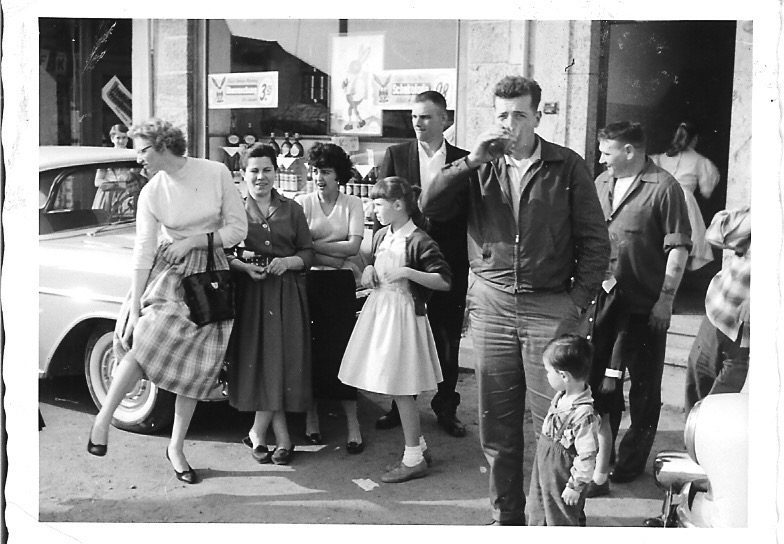
EXHIBIT D–1. Saturday outside the store. Six conversations, one bottle of pop, and the smallest man on the sidewalk already watching to see what gets carried, and how.
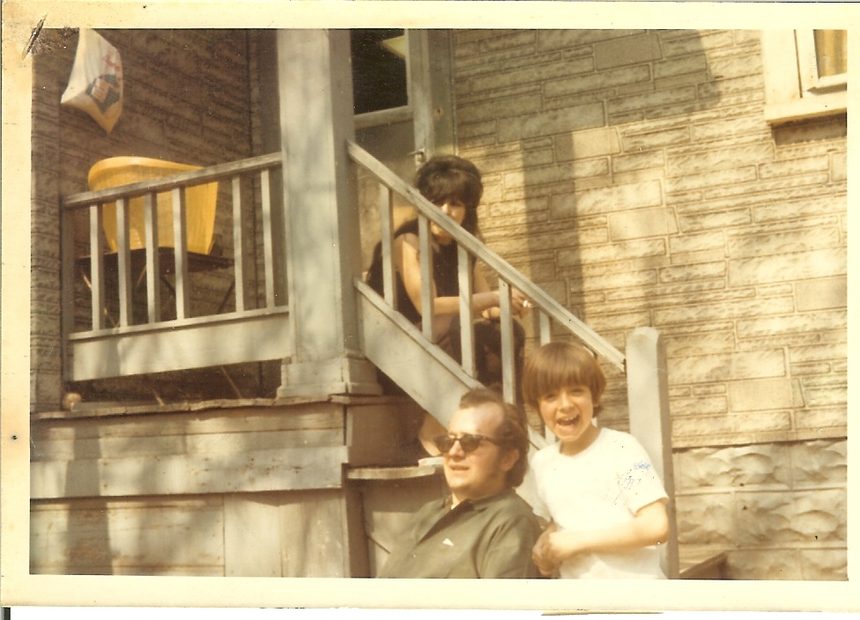
EXHIBIT D–2. The back steps, mid–afternoon. Asked to hold still, and delighted about it. The apprenticeship was going well.
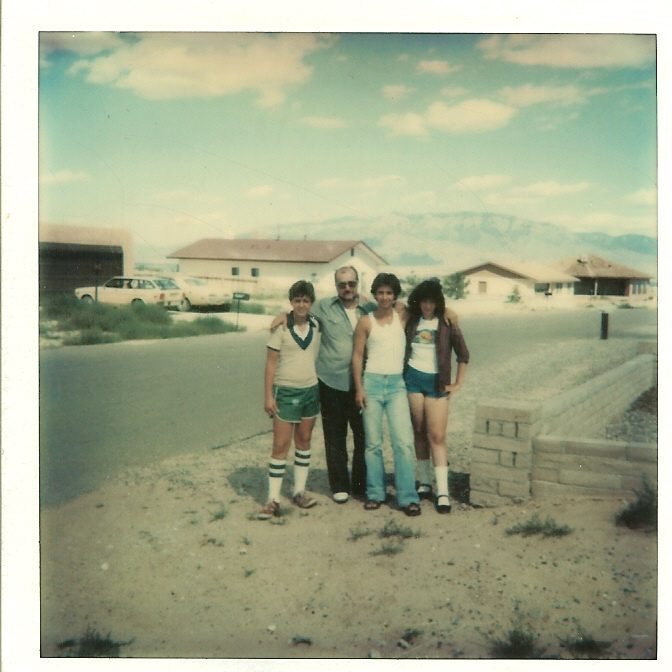
EXHIBIT D–3. New house, new state, same instruction. White undershirt, desert sun, and a young man trusted with the load by now.
FORM F–2 · A STANDING REQUEST
Have a photograph of an ear?
Readers holding photographs of ears, c. 1955–1975, may send them to Dept. F for consideration. Scan or photograph the print and attach it to an electronic letter — support@otoanthro.com. Prints are reproduced from public collections and from the Department’s own families. Handle by the edges.
POST IT TO DEPT. F →
↑
TOP
DEPT. F — THE FILE ROOM
handle by the edges
THE PHOTOGRAPHIC RECORD
The Way Ears Were.
A short history of the American ear: tested at school, filled at the pool, seen to at the drug store, examined wherever a doctor could find a chair.
FIFTEEN PLATES ON FILE · MORE AS THEY ARE FOUND
FROM PUBLIC COLLECTIONS
The General Plate Book.
A short history of the American ear, assembled from public collections: tested at school, filled at the pool, seen to at the drug store, examined wherever a doctor could find a chair.
EXHIBIT P–1. Off for a day’s outing at the swimming pool, West Virginia. Towels: packed. Drying of the ears: pending.
EXHIBIT P–2. The school hearing test. Every ear passed, or was politely retested.
EXHIBIT P–3. The drug store, Kansas City. Ear care once required an usher.
EXHIBIT P–4. A field ear examination. The otoscope travels well, and always has.
EXHIBIT P–5. A poolside secret, heard on the first telling. Public pool, District of Columbia. Clear ears make good listeners.
SPECIAL FILE — No. T
one man, eight plates
A FILE OF HIS OWN
Tony Bag o’ Donuts.
There are decades a family does not measure in years. It measures them in one man — the one who turns up in most of the photographs. The Department’s usual business is ears; it makes an exception here, for a man who showed up, took the heavy end, and left the world in better condition than he found it. Filed in full, with affection. Kept indefinitely.
EXHIBIT T–1. The beach, the booth, and a call that would not wait. Salt water in both ears; the call went ahead regardless.
EXHIBIT T–2. Duty khakis, one stripe, and the expression of a man waiting for somebody to finish taking the picture.
EXHIBIT T–3. The pickaxe, held in the manner of a man who has been told there is digging to do and would rather there were a pitch.
EXHIBIT T–4. Striped shirt, arms folded, the Pacific somewhere behind the photographer and firmly not the subject.
EXHIBIT T–5. Leaning on a fender directly beneath a NO PARKING sign. The car stayed. So did he.
EXHIBIT T–6. Behind the wheel with the door open — the international signal for a conversation that is nearly over.
EXHIBIT T–7. December 1969. Four of something assembled on a cardboard round. The Department declines to call them pizzas and declines to say they are not.
EXHIBIT T–8. Scaffolding up, torch down for repairs, five men and a stack of aluminum. Somebody had to hold her steady.
SPECIAL FILE — No. D
three plates, one apprenticeship
IN TRAINING FROM THE START
The Delivery Man.
Long before there was a route, there was a boy on a sidewalk with his hands full and a family saying the same thing every time: careful now. He was being groomed for the work and had no idea. Three plates, years apart, of one man learning the only instruction that mattered: handle with care.
EXHIBIT D–1. Saturday outside the store. Six conversations, one bottle of pop, and the smallest man on the sidewalk already watching to see what gets carried, and how.
EXHIBIT D–2. The back steps, mid–afternoon. Asked to hold still, and delighted about it. The apprenticeship was going well.
EXHIBIT D–3. New house, new state, same instruction. White undershirt, desert sun, and a young man trusted with the load by now.
FORM F–2 · A STANDING REQUEST
Have a photograph of an ear?
Readers holding photographs of ears, c. 1955–1975, may send them to Dept. F for consideration — scans by electronic post to support@otoanthro.com. Prints come from public collections and from the Department’s own families.
POST IT TO DEPT. F →
For routine ear hygiene only · not intended to diagnose, treat, cure or prevent any disease
↑
TOP